Power Quality Analysis
Natural phenomena such as lightning strikes, poor load distribution, improper wiring and in correct grounding issues are a few examples of the causes of power quality problems. Inverter-based technology has become more common in recent years, plus grid-tied renewable energy sources such as solar. These make the power network more complex and have a significant negative impact on power quality.
Power supply network problems caused by poor power quality is a common problem for both electric power suppliers and users. However, it is not easy to identify whether the cause of poor power supply quality is at the supplier’s system or the user’s system. Because of this situation, power quality measurement is necessary to understand the actual cause of power quality problems as well as to consider and analyze for effective countermeasures.
Poor power quality causes trouble in receptacle/transmission equipment and electronic equipment malfunctions. For example, harmonics are known to cause burn-out in reactors and generate defective noise in capacitors. Also, impulse or transient noise and voltage drops stop control systems that are dependent on a computer.
To minimize the risk of lost production and damage to electrical equipment, power quality analysis is used to monitor a system for problems, find the cause, and initiate corrective action. After system data is collected in the field following EN 50160 Standard, a power quality engineer will look for unusual events and determine the proper power conditioning equipment or other steps needed to resolved.
Parameters covered and Instrument Representation
Analysis Covering Parameters
- Voltage Variations
- Voltage Unbalance
- Rapid voltage change
- Frequency variations
- THD-I and THD-V
- THD individual order
- Flickers
- Voltage Dips
- Voltage Swells
- Power Factor
Data Collection
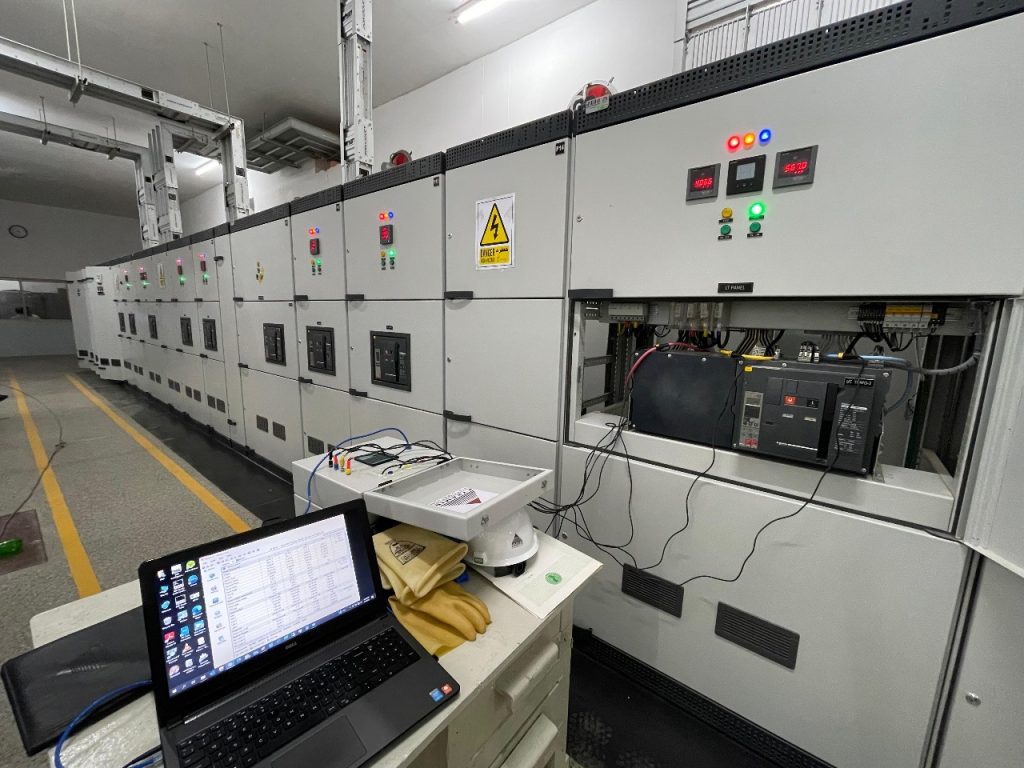
Key Benefits:
- Current system Harmonic level
- Power factor and Vector diagram
- PFI bank capacitors health status
- Voltage swells / Dips
- NO Tripping required
- THD-I values and level in system
- THD-V values and level in system
- Current Harmonic Danger level threat
- Flickers from the source
- Voltage variations from source
Warranty Statement
Warranty conditions
- Equipment is under warranty period.
- Warranty seal is not voided or broken.
- Equipment is not Burnt.
- Equipment is not broken due to mishandling or dropping.
- Completed warranty card is attached to the equipment (showing date of purchase and name of the purchaser).

Warranty Claim Procedure
Get Free a Quote
Make your business stand out with our personalized accounting services.
Lorem ipsum dolor sit amet, consectetur adipiscing elit. Ut elit tellus, luctus nec ullamcorper mattis, pulvinar dapibus leo.
We provide expert advice for all size businesses.